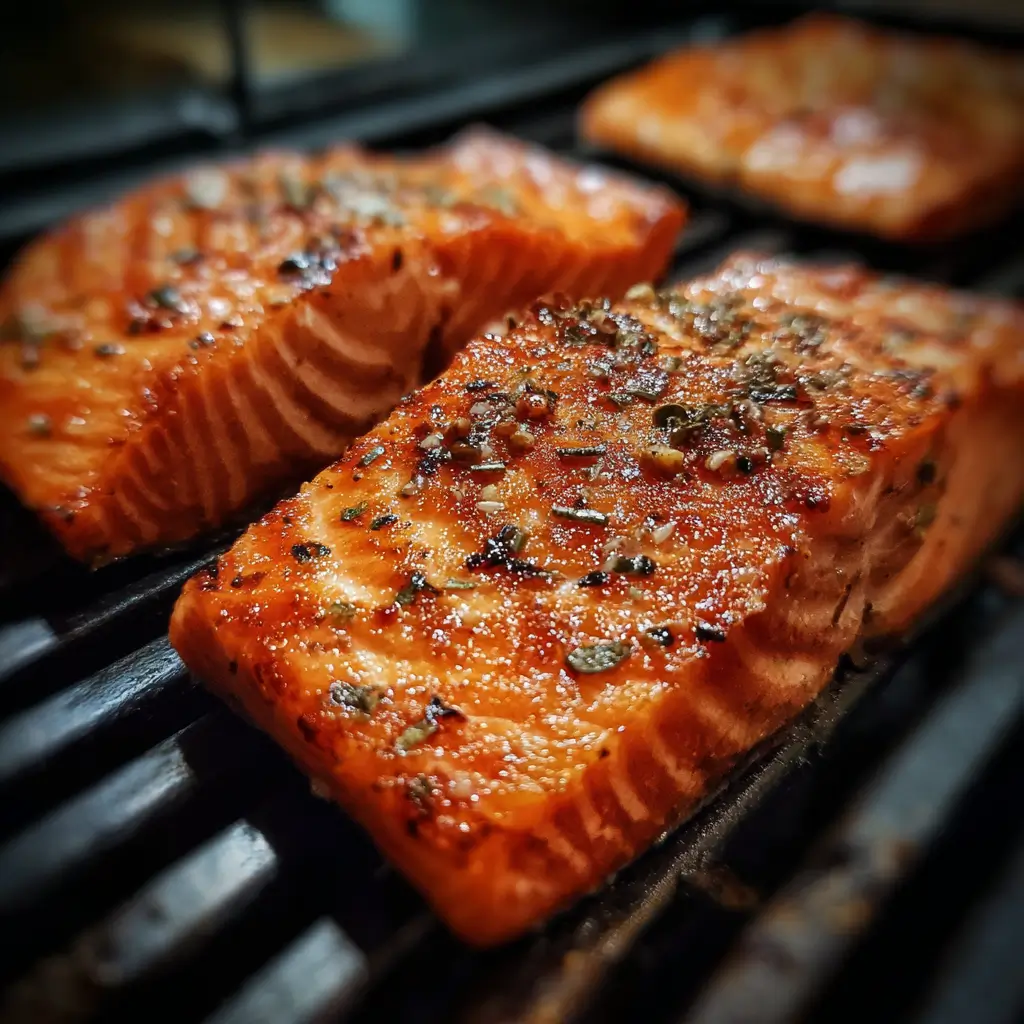
DIY smoked salmon is more than just a delicious kitchen project — it’s a way to bring gourmet flavor right into your home. There’s something special about crafting your own smoked salmon: the balance of salty-sweet brine, the gentle curl of smoke, and the satisfaction of knowing every bite is homemade and fresh.
When you make smoked salmon yourself, you decide how rich, smoky, or mild it should be. No preservatives, no artificial flavors — just pure, clean, ocean-fresh taste. It’s surprisingly simple too. Whether you’re using a smoker, a regular grill, or even a stovetop setup, anyone can smoke salmon at home with a little guidance and patience.
Beyond flavor, making homemade smoked salmon is about creativity and comfort. You’ll learn how to cure, dry, and smoke salmon with confidence — and soon, you’ll be serving restaurant-quality results right from your kitchen.
For more step-by-step recipe ideas and culinary inspiration, discover great cooking ideas on our Facebook page.
Table of Contents
Understanding the Basics of DIY Smoked Salmon
What Is Smoked Salmon?
Smoked salmon is a delicacy made by curing and then smoking fresh salmon fillets to create a distinct smoky, savory flavor. There are two main styles: cold-smoked salmon, known for its silky texture and mild taste, and hot-smoked salmon, which is fully cooked, flaky, and rich in aroma.
This versatility is part of what makes DIY smoked salmon such a rewarding project. You can fine-tune every element — from the salt level to the choice of wood chips — until it perfectly fits your taste. The result is a beautifully tender fish that’s fresher and cleaner than anything you’ll buy prepackaged.
Why Make Smoked Salmon Yourself?
When you make smoked salmon yourself, you unlock complete control over the process. Store-bought versions often come with high sodium and chemical preservatives, while your homemade batch can be exactly how you like it — balanced, fresh, and natural.
There’s also a big cost advantage. Most people find that DIY smoked salmon costs nearly half as much as commercial versions — and it tastes twice as good. Plus, once you master the method, it becomes an enjoyable weekend ritual that fills your kitchen with irresistible aroma.
Learn more about flavor layering and seasoning balance by checking out our Cheesecake Factory Miso Salmon for inspiration on mastering umami-rich dishes.
Store-Bought vs. Homemade Smoked Salmon
Here’s a simple comparison to help you see why going homemade is worth it:
| Aspect | Store-Bought Smoked Salmon | Homemade Smoked Salmon |
|---|---|---|
| Flavor Control | Limited | Total control over brine, smoke, and seasoning |
| Freshness | Packaged and stored for weeks | Smoked within days of purchase |
| Cost | $30–$50 per pound | Around $15–$20 per pound |
| Additives | Preservatives and colorants | 100% natural (if you choose) |
| Satisfaction | Convenient | Exceptionally rewarding |
With homemade smoked salmon, you get a cleaner taste, richer texture, and a sense of pride in crafting something from scratch.
The Bottom Line
Starting your DIY smoked salmon journey isn’t complicated — it’s approachable, rewarding, and endlessly customizable. You only need fresh salmon, salt, sugar, and a way to generate gentle smoke. That’s it. In return, you’ll enjoy salmon that’s fresher, more flavorful, and uniquely yours.
In the next part, we’ll explore how to choose the best salmon for smoking — from picking the freshest fillet to selecting sustainably sourced fish that makes your dish shine.
Choosing the Right Salmon for Smoking
Best Types of Salmon for DIY Smoking
The secret to perfect DIY smoked salmon begins with the fish itself. Not all salmon are created equal — their fat levels, flavor, and texture can make a big difference.
| Type | Flavor | Best For |
|---|---|---|
| Atlantic | Mild and buttery | Great for beginners |
| Sockeye | Bold, rich, deep red | Classic smoked flavor |
| King (Chinook) | Velvety and fatty | Hot smoking |
| Coho | Light and delicate | Quick smoking |
If you’re new to smoking salmon, start with Atlantic or Sockeye. They’re easy to handle and deliver a balanced taste that works beautifully in both hot and cold smoking.
Check out our Smoked Salmon and Egg for a simple way to enjoy your first homemade batch.
How to Pick Fresh Salmon
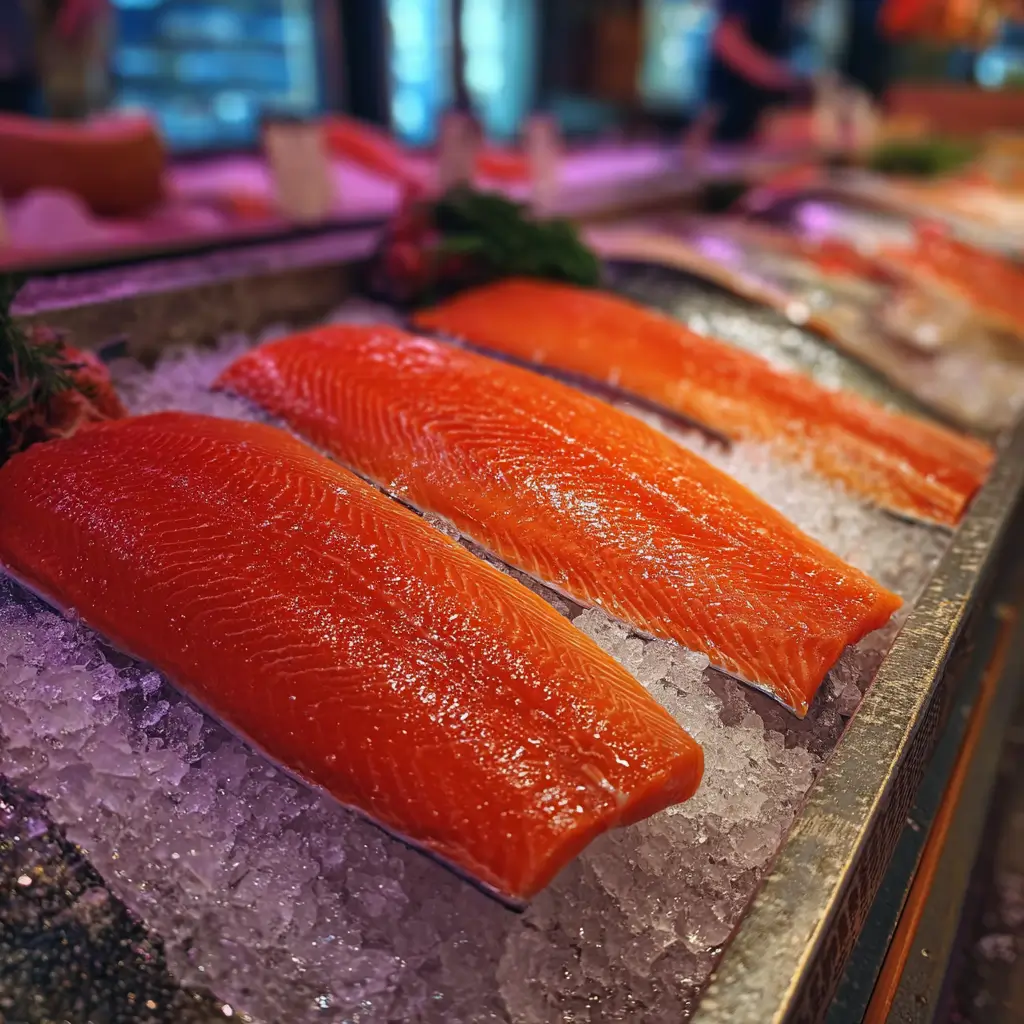
Freshness is everything in homemade smoked salmon. Choose fillets that look moist, firm, and bright, with no fishy odor. Wild-caught salmon offers a firmer texture and richer flavor, while farmed salmon is milder and more forgiving for beginners.
Pro tip: Always smoke your fish within 24 hours of purchase to lock in the best flavor.
Sustainable Choices
Whenever possible, buy MSC- or ASC-certified salmon to ensure sustainable sourcing. Supporting local fisheries helps preserve the environment and often means fresher fish on your table.
The Bottom Line
Choosing fresh, fatty, sustainably sourced salmon is the first step to mastering DIY smoked salmon. Get this right, and your results will already taste professional.
Preparing and Curing Your Salmon
Why Curing Matters Before Smoking
Curing is what gives DIY smoked salmon its signature silky texture and deep flavor. By coating the fish with a mix of salt and sugar, you draw out moisture and season it from within. This step helps the salmon absorb smoke evenly, creating that perfect balance of savory and sweet.
Dry Brine vs. Wet Brine
You can cure salmon in two ways:
- Dry Brine: Rub salt, sugar, and optional herbs directly on the salmon, then wrap and chill for 12–24 hours. This method gives firmer, sliceable results — ideal for homemade smoked salmon.
- Wet Brine: Soak the salmon in a seasoned saltwater solution for 6–12 hours. It produces a softer texture and milder flavor.
For first-timers, dry brining is simple and reliable.
Check out our Salmon Poke Recipe to see how curing techniques affect salmon texture and taste.
Quick Curing Steps
- Mix equal parts salt and sugar (plus any spices).
- Coat both sides of the salmon evenly.
- Wrap tightly and refrigerate overnight.
- Rinse, then pat dry.
After curing, your salmon should feel slightly firm with a glossy finish — ready for the next step.
The Bottom Line
Curing transforms ordinary salmon into something special. Take your time here, and your DIY smoked salmon will reward you with flavor that’s smoky, rich, and beautifully balanced.
Drying and Prepping the Salmon for Smoke
How Long to Dry Salmon Before Smoking
Once your salmon is cured, it needs to dry before smoking. This step creates a thin, tacky layer called the pellicle — essential for perfect DIY smoked salmon. The pellicle helps smoke stick evenly, giving the fish its glossy texture and rich flavor.
Place the salmon on a rack in the fridge for 2–4 hours, uncovered, until slightly sticky to the touch. Don’t skip this step — it’s key to that professional finish.
Pellicle and Prep Tips
The pellicle isn’t just for looks; it locks in moisture and ensures the smoke clings evenly. Before smoking, brush the fish lightly with oil to prevent sticking. Keep it chilled until it’s ready for the smoker.
Looking for inspiration? Try our Stewed Salmon Recipe — a cozy way to enjoy your fresh catch.
The Bottom Line
Drying is quick but vital. That short time in the fridge turns your cured fish into a perfect canvas for smoke — the secret to smooth, flavorful homemade smoked salmon.
How to Smoke Salmon at Home
Cold Smoking vs. Hot Smoking
Smoking is where your DIY smoked salmon comes to life. You can go two ways:
- Cold Smoking (75–90°F): Keeps the salmon silky and raw-textured, like deli-style lox.
- Hot Smoking (175–200°F): Cooks the fish as it smokes, producing flaky, rich homemade smoked salmon.
For beginners, hot smoking is best — faster, safer, and easy to control.
Smoking Tools for Home Use
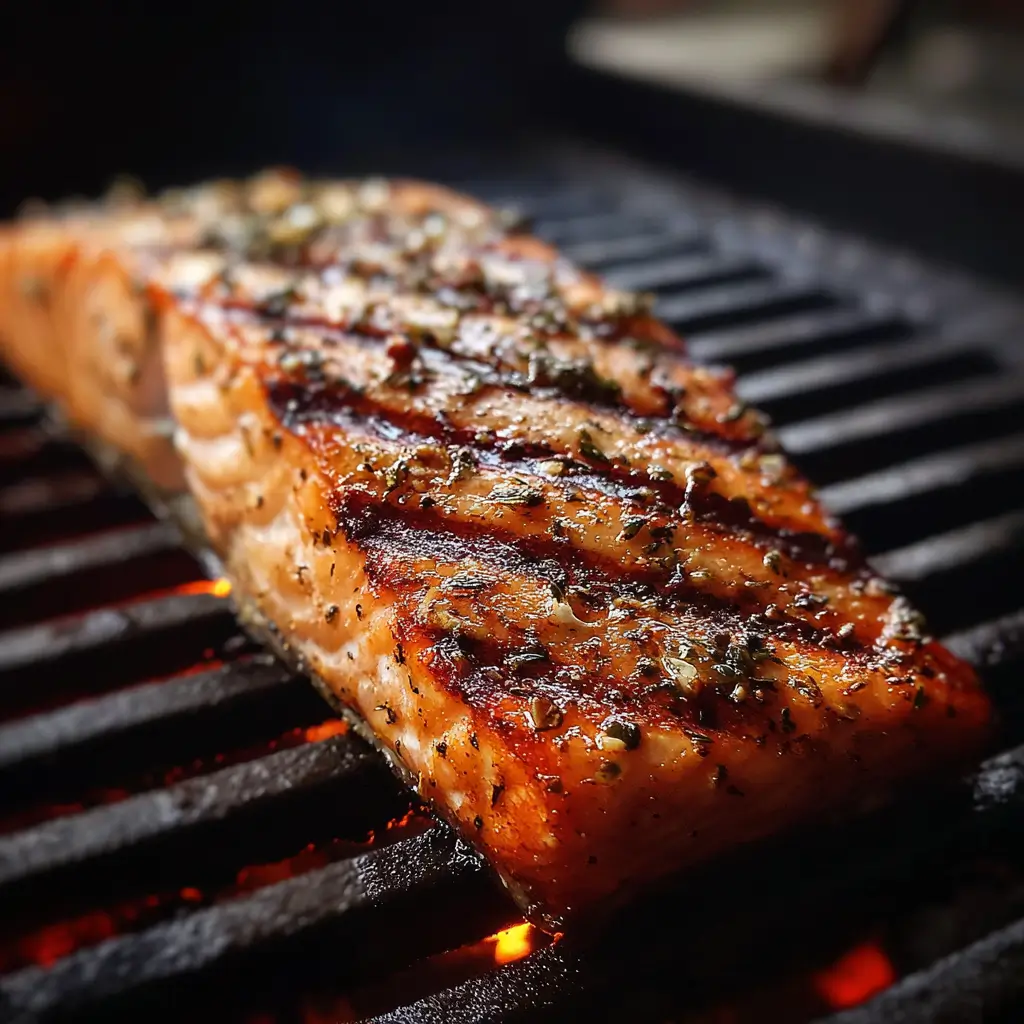
You don’t need a big smoker to smoke salmon at home. A grill, stovetop smoker, or even a covered pot will do. The key is low, steady heat and a light flow of smoke.
| Setup | Best For |
|---|---|
| Electric Smoker | Easy, consistent results |
| Charcoal Grill | Deep smoky flavor |
| DIY Foil Smoker | Great for small batches |
Use mild woods like apple, alder, or maple for sweet, balanced smoke.
Want a fun snack to pair with your batch? Don’t miss our Easy Salmon Recipe Bites — they’re quick, tasty, and perfect for leftovers.
The Bottom Line
Smoking salmon at home is simple once you get the hang of it. Keep your heat steady, choose the right wood, and your DIY smoked salmon will turn out flavorful, tender, and perfectly balanced every time.
Achieving Perfect Flavor and Texture
Best Wood Chips for DIY Smoked Salmon
The wood you choose shapes the flavor of your DIY smoked salmon. For a mild, sweet taste, use apple or maple wood. For a more traditional smoky bite, alder is the classic choice. Mix apple and alder for a balanced, restaurant-style flavor that highlights the salmon’s natural richness.
Time and Temperature Tips
Consistent heat is key to great homemade smoked salmon.
- Hot Smoking: 175–200°F for 1–2 hours.
- Cold Smoking: Under 90°F for several hours.
The salmon is ready when it flakes gently but stays moist inside. Keep a thermometer handy — steady temperature makes or breaks your results.
Discover more expert tips in our Beginner Smoked Salmon Recipe for step-by-step guidance.
How to Keep Smoked Salmon Moist
Avoid over-curing, and maintain humidity by placing a small pan of water inside your smoker. After smoking, rest the salmon for 10 minutes to let the juices redistribute. That’s how you get soft, buttery DIY smoked salmon every time.
The Bottom Line
Perfect flavor comes from balance — gentle smoke, stable heat, and patience. Once you dial in these details, your DIY smoked salmon will taste as good as (or better than) anything you could buy.
Storing and Serving Homemade Smoked Salmon
How Long Homemade Smoked Salmon Lasts
Once you’ve perfected your DIY smoked salmon, proper storage keeps it fresh and flavorful. When sealed tightly and refrigerated, homemade smoked salmon lasts up to 10 days. For longer storage, freeze it — it can stay fresh for up to 2 months without losing texture or taste.
Always cool the salmon completely before wrapping it in plastic or vacuum sealing. Freezing too soon traps moisture, which can dull that smoky flavor you worked hard to achieve.
Refrigeration and Freezing Tips
To preserve quality:
- Store portions in airtight containers or vacuum bags.
- Label with the smoking date.
- Defrost slowly in the fridge for best texture.
Avoid reheating smoked salmon directly — it can dry out quickly. Instead, let it come to room temperature before serving.
Serving Ideas for DIY Smoked Salmon
DIY smoked salmon is incredibly versatile. Serve it on:
- Bagels with cream cheese and dill
- Salads for a smoky protein boost
- Charcuterie boards with crackers, lemon, and herbs
For a creative spin, try flaking your smoked salmon into pasta or wraps for easy weekday meals. You can even use it as a topping for homemade pizza — a smoky twist that’s sure to impress.
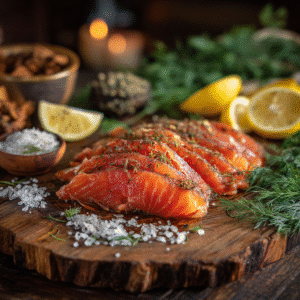
DIY Smoked Salmon at Home — Step-by-Step Guide to Perfect Homemade Flavor

Equipment
- smoker or grill for hot smoking
- wire rack to dry salmon and form pellicle
- digital thermometer for checking doneness
- Plastic wrap for curing stage
- baking sheet to catch drips while drying
Ingredients
- 2 lb fresh salmon fillet (Atlantic, Sockeye, or King)
- 1/2 cup kosher salt
- 1/2 cup brown sugar
- 1 tbsp black pepper (optional)
- apple or alder wood chips, for smoking
- olive oil, for brushing before smoking (optional)
Instructions
- Mix kosher salt, brown sugar, and black pepper to make a dry cure. Coat the salmon on both sides and wrap tightly.
- Refrigerate the wrapped salmon for 12–24 hours. The salt will draw out moisture and firm up the flesh.
- Rinse off the cure under cold water. Pat the salmon dry with paper towels.
- Place salmon on a rack uncovered in the fridge for 2–4 hours to form a tacky pellicle.
- Preheat smoker to 175–200°F (79–93°C). Add soaked wood chips. Brush salmon lightly with oil and place skin-side down.
- Smoke the salmon for 1–2 hours until internal temp reaches 135–140°F (57–60°C) and flakes easily.
- Remove and rest salmon for 10 minutes. Cool fully before wrapping for storage, or serve immediately.
Notes
Nutrition
Want a fun recipe idea for leftovers? Learn more about creative salmon uses in our Smoked Salmon and Egg guide for a hearty breakfast option.
The Bottom Line
Storing and serving homemade smoked salmon the right way ensures every bite stays fresh, tender, and full of flavor. With proper handling, your DIY smoked salmon will keep its smoky charm long after it leaves the smoker.
Troubleshooting and Expert Tips
Common Mistakes When Making DIY Smoked Salmon
Even with the best intentions, small mistakes can affect your DIY smoked salmon. Here are a few to avoid:
- Skipping the drying step: Without the pellicle, smoke won’t adhere evenly.
- Smoking too hot: High heat dries the salmon and makes it tough.
- Over-curing: Too much salt can overpower the flavor and firm the fish too much.
- Rushing the process: Great homemade smoked salmon takes time — patience pays off.
Remember, it’s a craft, not a race. Take it slow, and your results will improve every time.
Expert Tips for Better Flavor
- Control your salt: Use a mix of kosher salt and brown sugar for balance.
- Keep airflow steady: Smooth smoke circulation gives even color and taste.
- Experiment with wood: Try blending alder and apple for a subtle, sweet aroma.
- Rest before slicing: Let your smoked salmon cool completely to lock in flavor.
Food Safety and Storage
Always refrigerate your salmon within two hours of smoking. If you’re planning to store it longer, vacuum seal and freeze it. Safe handling keeps your DIY smoked salmon flavorful and risk-free.
If you’d like to explore a comforting cooked version, check out our Stewed Salmon Recipe — a delicious way to use your leftover fillets.
The Bottom Line
Troubleshooting is part of learning. A little attention to detail — temperature, time, and moisture — is all it takes to turn your DIY smoked salmon from good to incredible. Once you get the rhythm, it’s one of the most satisfying dishes you can make at home.
FAQs About DIY Smoked Salmon
Is it cheaper to make your own smoked salmon?
Yes — making DIY smoked salmon at home is much cheaper than buying it. Store-bought smoked salmon can cost $30–$50 per pound, while homemade versions typically cost around $15–$20. Plus, you control the ingredients and quality.
How long does salmon need to dry before smoking?
After curing, let the salmon dry for 2–4 hours in the fridge until a tacky surface forms. This thin layer (called the pellicle) helps smoke stick evenly and gives your homemade smoked salmon its glossy finish.
Is there a way to smoke salmon without a smoker?
Absolutely. You can smoke salmon at home using a simple DIY setup: place soaked wood chips in a foil-lined pan, put a rack above them, cover tightly, and heat gently until smoke forms. It’s an easy way to start smoking without expensive tools.
Is it necessary to cure salmon before smoking?
Yes — curing is essential. It seasons the fish, removes excess moisture, and creates the ideal texture for DIY smoked salmon. Skipping it can lead to bland flavor and uneven smoking.
How long will homemade smoked salmon last?
When stored properly, homemade smoked salmon lasts up to 10 days in the fridge or 2 months in the freezer. Always cool it fully before wrapping or sealing.
Can I use a regular grill to smoke salmon?
Definitely. You can turn your charcoal or gas grill into a smoker by using indirect heat and adding soaked wood chips. Keep the lid closed and temperature steady for perfectly smoky results.
Conclusion
Making DIY smoked salmon at home is easier — and more rewarding — than most people think. From curing and drying to smoking and serving, every step adds flavor and texture that store-bought versions can’t match. With a little patience and the right techniques, you’ll master a process that feels both rustic and gourmet.
Whether you enjoy it on bagels, salads, or as the star of your next brunch, your homemade smoked salmon will always impress.
Follow us for more inspiration and recipe ideas on Pinterest — and start crafting meals that truly taste like home.